There are many different types of algae eaters that can be added to a Betta tank. Some of the best algae eaters for a betta tank include nerite snails, ottocinclus, Siamese algae eaters, plecos, and shrimp.
On this page, you’ll find a complete list of some of the most popular algae eaters for Bettas. So if you’re looking for ways to keep your betta tank clean and free of algae, read on!
Best Algae Eaters for a Betta Tank
Nerite Snails

Nerite Snails (Buy Online) are one of the best algae eaters for a betta tank. These little guys are great at grazing on algae, and they won’t reproduce in freshwater so you don’t have to worry about them taking over your tank. They’re also small enough that they won’t add much additional bioload to a small Betta tank. Plus, they’re really good at eating algae from glass, plants, and decorations.
Pom Pom Crabs

The Pom Pom Crab (Buy Online) is one of the best algae eaters for a Betta Tank. These little crabs are unique in that they have claws that are reminiscent of pom-poms or boxing gloves that they use to filter detritus and algae from their surroundings.
Pom Pom Crabs do best in planted tanks where there is plenty of algae to eat and places to hide, as they are very shy creatures. And these little crabs are a great addition to any Betta Tank and will help keep it clean and free of algae.
Pom Pom Crab adults will not exceed 1.75 inches and they are very peaceful, and they shouldn’t be kept with aggressive fish or tankmates that are significantly larger than them.
Otocinclus Catfish (Otocinclus vestitus)
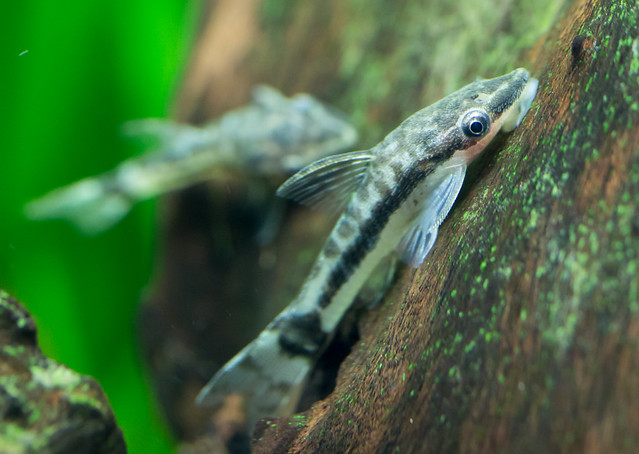
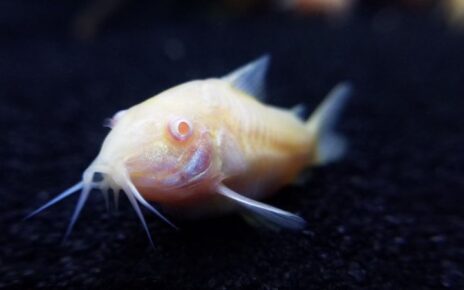
Otocinclus Catfish (Buy Online), also known as Otos, are some of the best algae eaters for a Betta tank since they are peaceful fish that only grow to be about 4 inches long. Otos originate from South America, they are Herbivores and their diet consists mostly of algae. They will help keep your tank clean by eating algae off of vegetation, decorations, and glass.
Otos are a great addition to any nano tank as they do not require a lot of space. However, they prefer pristine water conditions with low nitrates that fall within a range of 75-80° F, KH 6-10, and pH 6.7-7.6.
Warning: Otocinclus is an expert-level fish since they have a high mortality rate in captivity and should only be kept by experienced aquarium keepers.
Siamese Algae Eater (Crossocheilus siamensis)

Siamese Algae Eaters (Buy Online) are one of the best algae eaters for a large betta tank. They are peaceful, easy to care for and do a great job of eating algae off of live plant leaves. Siamese Algae Eaters originate from India, Indonesia, and Thailand, and they prefer water conditions that are 75-79 degrees Fahrenheit, with a pH of 6.5-7.0. Siamese Algae Eaters can grow up to 6 inches in length, and they should be kept in a minimum tank size of 30 gallons. If you are looking for an algae eater that is easy to care for and does a great job of keeping your tank clean, Siamese Algae Eaters are one of the most effective algae eaters that you can get for a large Betta sorority tank.
Rabbit Snails

Rabbit Snails (Buy Online) are freshwater snails that have a beautiful spiral shells and are great tank cleaners. Rabbit Snails eat algae and detritus, making them a valuable addition to any Betta tank. In addition, Rabbit Snails are peaceful and tolerant of a wide range of water conditions, which makes them a great choice for beginner fish keepers.
Mystery Snails (Pomacea Bridgesii)

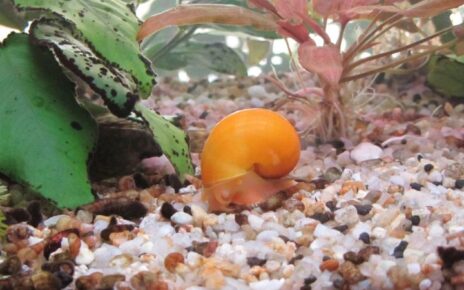
Mystery Snails (Buy Online) are one of the best algae eaters for a betta tank. They eat lots of algae and they are also relatively low maintenance, making them a great choice for a medium-sized betta tank. Plus, Mystery snails come in a variety of colors, so you can choose one that matches your Betta. If you’re looking for an algae eater that is low maintenance and easy to care for, mystery snails are a great option.
Just be aware that Mystery snails are prolific breeders, so you may end up with more snails than you want, but they are still a great addition to any Betta tank.
Amano Shrimp

Amano Shrimp (Buy Online) are one of the best algae eaters for a Betta tank and they also make great additions to community tanks. They are peaceful shrimp and they will do a great job of keeping the tank clean by eating algae off plants and decorations. Plus, Amano shrimp are a good choice for beginners because they are hardy and relatively easy to raise. However, smaller Amano shrimp might end up becoming a quick snack for a hungry Betta. That’s why it’s a good idea to only keep Amano shrimp with a Betta in larger tanks with plenty of plants and places to hide.
Neocaridina Shrimp

Neocaridina Shrimp (Buy Online) are some of the best algae eaters for a betta tank. They come in a wide range of colors, so they can easily accent the beauty of your betta fish. Neocaridina shrimp are also voracious algae eaters, so they’ll quickly chow down on any unwanted growth in your tank. The only downside is that these shrimp are small, so there’s a chance that your betta might see them as a tasty snack. But if you’re looking for an effective and eye-catching way to control algae growth in your tank, Neocaridina shrimp are a great option.
Malaysian Trumpet Snails

Malaysian Trumpet Snails (Buy Online) are an excellent addition to a clean-up crew since they will eat algae and burrow into gravel to eat detritus. They are also prolific breeders, so they will quickly populate a tank. The only downside of Malaysian Trumpet Snails is that they can be hard to control once they take up residence in a fish tank. However, Malaysian Trumpet Snails are still a good algae eater for a Betta tank since they not only eat algae but will also keep the gravel in your tank free of debris.
American Flagfish (Jordanella floridae)
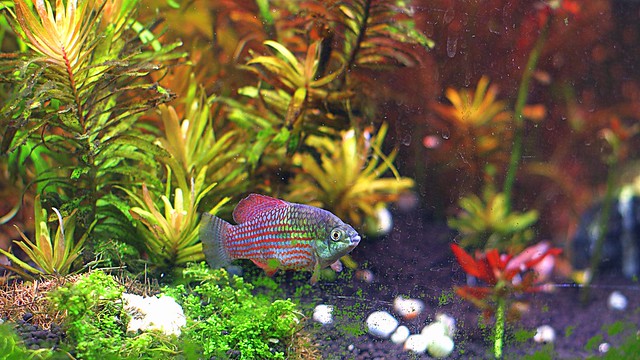
American Flagfish (Buy Online) are one of the best algae eaters for a betta tank. They are easy to care for, semi-aggressive, and have eye-catching colors. American Flagfish are omnivores, so they will eat a wide range of algae varieties including hair algae. They prefer water temperatures of 66-72° F but can tolerate a wide range of water conditions. American Flagfish are also compatible with most other fish, making them a good choice for community tanks. Plus, they reach up to 2½” in length, which means that they only require a minimum tank size of 10 gallons.
Hillstream Loach

The Hillstream Loach (Buy Online) is unique in that it has a suction cup-like mouth and body that allows it to cling to rocks and other surfaces and it loves to graze on algae. Hillstream loaches also have a high tolerance for varying water conditions, making them ideal for betta tanks.
Red Cherry Shrimp
Cherry Shrimp (Buy Online) are one of the best options for algae eaters in a betta tank. Cherry shrimp are voracious algae eaters and will help keep your plants clean. They are also small, so they won’t take up too much space in your tank. The only downside is that they might be eaten by a betta. However, if you have a large tank, the risk of your shrimp being eaten is much lower. Overall, Cherry shrimp are a great option for anyone looking for an algae eater for a 5+ gallon betta tank.
Gold Algae Eater (Gyrinocheilos aymonieri)
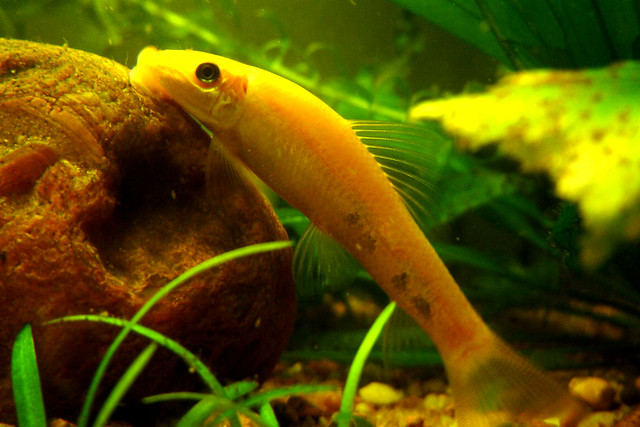
Gold Algae Eaters (Buy Online) are easy to care for and can help keep your tank clean by eating algae off of plants, rocks, glass, and driftwood.
Gold Algae Eaters are native to Thailand and they do best in water conditions that are between 74-79 degrees Fahrenheit. Plus, they can grow up to one foot in length and should be kept in a minimum tank size of 30 gallons.
Gold Algae Eaters are also mildly aggressive toward slow-moving betta fish, so if you plan to add a Gold Algae Eater to your tank, be sure to provide plenty of places for it to hide and establish its own territory.
Chinese Algae Eater (Gyrinocheilos aymonieri)

Chinese Algae Eaters (Buy Online) are a popular algae eater since they are relatively easy to care for and do a good job of eating algae. However, there are a few things to keep in mind before adding one to your tank. Chinese Algae Eaters can grow to be quite large, so make sure you have a tank that is at least 30 gallons. They can also be aggressive, so it is best to keep an eye on them in your as they start to mature since they might harass the other fish in your tank.
Betta Algae Control
API ALGAEFIX Algae Control 16-Ounce Bottle
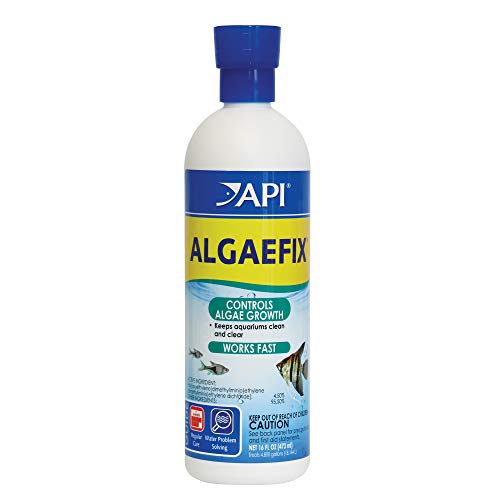
API ALGAEFIX (Buy Online) is a popular algae control product that is safe to use with bettas. It controls multiple types of algae, including “green water” algae, string, or hair algae, and will not harm fish or plants. To use API ALGAEFIX, simply add the recommended amount to your aquarium per the instructions on the bottle and this fast-acting product will quickly begin to control algae growth in your aquarium.
Betta Algae Remover
HOTOOLME Aquarium Algae Scraper, 25.6″ Stainless Steel Algae Scraper

The HOTOOLME Aquarium Algae Scraper (Buy Online) is a great tool for keeping your fish tank clean. The extendable handle and extra blades make it easy to get to all of those hard-to-reach places, and the stainless steel construction provides superior durability. This scraper is also great for removing algae from betta tanks. The long handle and sharp blades make quick work of even the toughest algae growth, and the compact design means you can easily store it when not in use. Whether you’re a professional aquarist or a hobbyist, the HOTOOLME Aquarium Algae Scraper is a great addition to any fish keepers toolkit.
Is Algae Bad for Betta
Algae is not really bad for betta fish, but it can be unsightly. However, cyanobacteria can be toxic. If you see any signs of cyanobacteria in your tank, such as slimy patches or blue-green algae, take immediate action to remove it since Cyanobacteria can produce toxins that are harmful to fish and other aquatic creatures.
Will Betta Fish Eat Algae
Betta fish do not typically eat algae. While they may nibble on some algae if it is present in their tank, they prefer meaty foods. This is because Bettas are carnivorous and have a natural diet that consists mainly of insects, larvae, and other small aquatic creatures.
Related: How Often Do You Feed a Betta Fish
Betta Compatible Algae Eaters
There are many different algae eaters available on the market that are compatible with Bettas. Some of the most popular choices include shrimp, snails, and fish. Each species has its own benefits and drawbacks, so it’s important to choose the right one for your tank. Below, we’ll explore some of the most common algae eaters and help you decide which is best for your Betta tank.
Can Betta Fish Live with Snails
Can Betta Fish Live with Nerite Snails
Betta fish can live with nerite snails. The two make a great pair because the snail will scavenge any excess food that falls to the bottom of the tank, and they will also eat algae. So if you’re looking for a low-maintenance, peaceful tankmate for your betta, then a nerite snail is one of the best options.
Can Betta Fish Live with Mystery Snails
Betta fish can live with mystery snails. They make good tank mates since they are both peaceful animals that won’t bother each other. Plus, the snail’s algae eating habits can actually help keep the tank clean for the betta. Just be sure to provide hiding places for the snail since bettas may nip at their long eyestalks and tentacles.
Can Betta Fish Live with Shrimp
Can Betta Fish Live with Cherry Shrimp
Bettas can live with cherry shrimp. However, since cherry shrimp are smaller and might be eaten by a Betta fish, it’s important to only introduce cherry shrimp into larger betta fish tanks.
Can Betta Fish Live with Amano Shrimp
Betta fish can live with Amano shrimp and they can do quite well together. The larger size of the Amano shrimp helps to keep the betta fish from seeing them as food, and they can help keep plants and decorations in the tank free of algae.
Just make sure that your betta tank is big enough for both species (at least 10 gallons), and that there is plenty of hiding places for the shrimp.
Can Betta Fish Live with Algae Eaters
Will a Betta Fish Kill an Algae Eater
Betta fish are known to be aggressive, and they will often attack other fish in the tank. However, they generally won’t go after fish that are too big for them to challenge. So, if you have an algae eater that is bigger or faster than your betta fish, it’s unlikely that your betta will try to kill it.
Can Betta Fish Live with Siamese Algae Eaters
Betta fish can certainly live with Siamese algae eaters, as long as you have a large enough tank. These fish are actually quite peaceful and make good tank mates for Bettas. Just be sure to give your fish plenty of space to swim and hide, and you’ll be all set!
Betta and Chinese Algae Eater
Chinese algae eaters (Ctenopharyngodon idella) are a type of freshwater fish that can help control algae growth. However, as these fish grow larger, they can become more aggressive and may attack the betta fish. For this reason, it’s important to keep an eye on the two fish and make sure they don’t start fighting.